
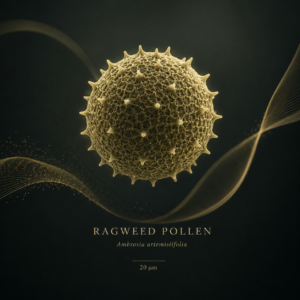
 If your allergies get worse every fall, ragweed pollen may be to blame.
In North Texas, the fall allergy season typically begins in late August to early September and continues until the first frost, which usually happens in late November. During this time, ragweed pollen becomes one of the most common causes of seasonal allergies, affecting millions of people across Texas.
Why is Ragweed such a Problem in Texas?
According to the CDC, ragweed is the leading cause of fall allergies in the United States.
Just one ragweed plant can release up to one billion pollen grains during a single season. As these tiny pollen grains are very lightweight, they can easily float through the air and travel as far as 400 miles away.
The Dallas-Fort Worth area is frequently recognized as one of the most challenging places to live for people with ragweed allergies. This is due to the Texas heat and increased carbon dioxide levels creating an extended growing season, allowing ragweed to produce pollen for longer periods than many other parts of the country.
There are many species of ragweed, however Giant Ragweed and Short Ragweed are responsible for most allergy symptoms in North Texas.
When is Ragweed Season at Its Worst?
Ragweed pollen usually peaks mid-September; however, levels often remain high through the first freeze in late fall.
Pollen counts tend to be highest:
- In the morning
- On warm, dry, and windy days
- After periods of dry weather
Although rain can temporarily wash pollen out of the air, levels often rebound once conditions dry out.
Common Ragweed Allergy Symptoms
Ragweed allergies can cause symptoms ranging from mild annoyance to significant quality of life disruption.
Common symptoms include:
- Sneezing
- Runny nose
- Nasal congestion (stuffy nose)
- Postnasal drip (mucus runs from the back of your nose down your throat)
- Sinus pressure or headaches
- Itchy nose, throat, ears, or eyes
- Watery or red eyes
- Swelling around eyes
- Frequent sinus infections
- Cough
- Asthma flare-ups, including wheezing, chest tightness, or shortness of breath
Additionally, some people with ragweed allergies may experience oral allergy syndrome (OAS), also referred to as pollen food allergy syndrome (PFAS). OAS occurs when proteins in a fruit or vegetable resemble the proteins of an allergen, confusing your immune system and causing symptoms such as itching or tingling of the mouth, throat, or ears.
If you have a ragweed allergy, you may experience symptoms of OAS when you eat:
- Bananas
- Melons
- Cucumbers
- Zucchini
- Potatoes
- Sunflower seeds
How to Reduce Ragweed Exposure
While avoiding ragweed pollen completely is impossible, there are some ways to reduce exposure and improve symptoms when pollen counts are high.
Checklist:
- Take your shoes off at the door to avoid tracking pollen inside
- Showering and washing hair after spending time outdoors
- Changing clothes after outdoor activities
- Keep windows closed at home and in your car during high pollen days
- Replace your home’s HVAC filter regularly with a high-quality air filter
- Limit outdoor activities when pollen counts are especially high
- Wear a well-fitting N-95 rated mask if performing outdoor work
- Check daily pollen counts before planning outdoor activities
- Wiping off pets before they enter the house as pollen can be carried on their fur
You can check daily pollen forecasts on websites such as Pollen.com or The National Allergy Bureau, or on an app such as Pollen Wise.
Treatment Options
Allergy treatments work best when started before symptoms become severe. Beginning medications prior to the start of ragweed season often results in better symptom control and less disruptions to your life.
Treatment options may include:
- Daily antihistamines
- Antihistamine nasal sprays
- Corticosteroid nasal sprays
- Saline nasal rinses
- Short-term use of decongestants, if appropriate
If reducing exposure and using medications doesn’t provide enough symptom control, then allergy immunotherapy may be an excellent option for providing lasting relief.
Allergy Immunotherapy
Allergy immunotherapy addresses the underlying cause of allergic disease instead of simply managing symptoms. This is accomplished by gradually training the immune system to become less sensitive to specific allergens over time. Many patients experience significant, long-lasting symptom relief that continues even after treatment is completed.
At North Texas Allergy & Asthma Center, we offer several immunotherapy options, including:
- Traditional allergy shots
- Sublingual allergy drops
- Sublingual allergy tablets
Our allergists can help determine which option is the best fit for you. To learn more about allergen immunotherapy, visit Allergy Shots – North Texas Allergy & Asthma Center
Getting help
At North Texas Allergy & Asthma Center, our board-certified allergists can provide comprehensive allergy testing, personalized treatment plans, and immunotherapy options so you don’t have to let ragweed season keep you indoors.
Our team is here to help you manage your ragweed allergy so that you can enjoy the fall without allergy symptoms controlling your life. Schedule your appointment today and take the first step toward lasting relief.
Michelle Walker, FNP-BC, CCRN and Roshni Foster, MD, PhD