
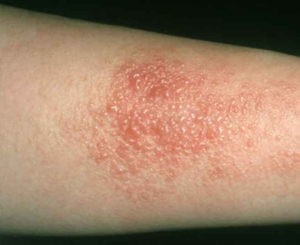
Contact dermatitis is an inflammatory skin condition that occurs when the skin comes into contact with either a substance that causes irritation, or an allergen that triggers an immune response. Symptoms may include redness, itching, burning, swelling, dryness, or pain. Contact dermatitis can occur at any age and is generally classified into two types: irritant contact dermatitis and allergic contact dermatitis.
IRRITANT CONTACT DERMATITIS
Irritant contact dermatitis is the most common form of contact dermatitis and occurs when a substance damages the skin’s protective barrier. It may develop immediately after skin exposure to a strong irritant, or gradually over time from repeated exposure to milder irritants. It can also occur if the skin is rubbed too hard or if the skin is exposed to high heat.
Common examples include:
- Diaper rashes
- Acid burns
- Irritated skin around the mouth due to saliva while lip licking or lip smacking
Common Symptoms:
- A burning or stinging sensation
- Redness
- Swelling
- Cracking
- Peeling
Certain toxic substances, such as battery acid, bleach, rubbing alcohol, fertilizers, pesticides, or pepper spray, can quickly injure the skin. Water, foods, and soaps are typically less irritating; however, frequent or repetitive exposure can still lead to irritant contact dermatitis. The severity of irritant contact dermatitis often depends on the amount of exposed skin and the length of time of the exposure.
Certain occupations that require frequent hand-washing or handling of chemicals may predispose an individual to having irritant contact dermatitis. Healthcare workers, cosmetologists, and food service workers are a few examples.
ALLERGIC CONTACT DERMATITIS
Allergic contact dermatitis results from the body’s immune system recognizing a chemical as foreign and subsequently having an inflammatory response against that substance. As with any allergic condition, allergic contact dermatitis typically requires previous exposure to an allergen (sensitization).
After re-exposure to an allergen, symptoms typically develop several hours later and may take up to 48-96 hours to fully appear. Even very small amounts of an allergen can trigger a reaction in sensitized individuals.
Common Symptoms:
- Red, itchy skin
- Swelling
- Blistering
- Oozing or weeping lesions
- Dry, scaly skin
With ongoing exposure, the skin can become very inflamed, and it can be difficult to distinguish from atopic dermatitis (eczema). Even if the offending substance is removed, it may take the skin several weeks to heal.
What causes allergic contact dermatitis?
Is it estimated that there are over 3,000 allergens in our environment capable of causing allergic contact dermatitis. Some of the most common include:
- Poison ivy, poison oak, and poison sumac
- Metals, particularly nickel and cobalt
- Fragrances found in various cosmetics, lotions, and perfumes
- Antibacterial ointments, such as neomycin and bacitracin
- Preservatives such as quaternium-15, methylisothiazolinone, and formaldehyde
- Hair dye and temporary tattoos containing p-phenylenediamine (PPD)
- Nail acrylates and methacrylates
- Textiles and fabric dyes
- Rubber and latex
- Topical corticosteroids
- Benzocaine
- Sunscreens
DIAGNOSIS OF CONTACT DERMATITIS AND PATCH TESTING
Diagnosing allergic contact dermatitis begins with a detailed medical history and examination of the skin. Keeping a symptom diary that tracks when the rash appears, worsens, or improves can sometimes help identify possible triggers.
Additionally, for individuals with significant workplace chemical exposure, Safety Data Sheets (SDS) may help identify potential irritants or allergens.
Patch testing is used to identify the cause of allergic contact dermatitis and to distinguish it from irritant contact dermatitis or atopic dermatitis (eczema).
During patch testing, small amounts of diluted potential allergens are applied to the back using adhesive patches. We can test up to 70 patches at a time and personal skin care products or workplace substances may also be tested when appropriate. While the patches are in place, they cannot get wet.
The patches are removed after 48 hours, and the skin is evaluated at that time and then again at the 72-hour mark. Reactions are graded based on the degree of inflammation. If a localized allergic reaction occurs, the responsible allergen can often be identified and avoided in the future.
TREATMENT FOR ALLERGIC AND IRRITANT CONTACT DERMATITIS
If a culprit is identified, the best treatment is to avoid that particular substance whenever possible. If avoidance is not possible, the rash can become chronic and significantly affect quality of life.
After contact with a known allergen or irritant, it is recommended to rinse the skin with water and a mild soap immediately to reduce the severity of a reaction.
Protective gloves or clothing while handling harsh chemicals and/or allergens will help decrease the risk of a skin reaction.
Treatment options may include:
- Cool compresses
- Antihistamines
- Moisturizers and skin barrier creams
- Topical corticosteroids may be prescribed
- Topical antibiotics if a secondary bacterial skin infection develops
- Oral steroids may be needed for more severe reactions
Because allergic contact dermatitis is a delayed allergic reaction, the rash may continue to worsen briefly, even after exposure stops, and can take up to several weeks to fully heal.
WHO IS AT RISK? WHO SHOULD BE PATCH TESTED?
Certain individuals are at higher risk for developing contact dermatitis or may benefit from patch testing, including:
- Individuals with underlying atopic dermatitis (eczema)
- Those who experience delayed or recurrent eczematous rashes
- Individuals with unexplained or chronic rashes
- Patients with severe dermatitis
- People who react to skin care products or cosmetics
- Individuals with suspected reactions to medical devices or implants
- Workers in high-risk occupations, including:
- Health care workers
- Construction workers
- Cleaners
- Hairdressers and cosmetologists
- Chefs, bartenders, and food service workers
- Mechanics
HOW CAN WE HELP?
At North Texas Allergy and Asthma Center, our board-certified allergists specialize in the diagnosis and treatment of contact dermatitis, allergic contact dermatitis, irritant contact dermatitis, eczema, and chronic itchy skin rashes.
We offer comprehensive patch testing to identify the substances responsible for allergic skin reactions. In addition to our standard patch testing panel, we provide specialized testing for metals (including orthopedic and dental metals), pediatric patch testing, and evaluation of selected personal care products or workplace materials when appropriate.
If you have a persistent rash, unexplained itching, recurrent eczema flares, reactions to cosmetics or jewelry, or a skin condition that does not improve with standard treatment, an underlying contact allergy may be the cause.
Our physicians will perform a thorough evaluation, review your history and exposures, recommend appropriate testing when indicated, and develop a personalized treatment plan designed to reduce symptoms and help prevent future reactions.
You do not have to live in discomfort—we are here to help. Schedule an appointment with North Texas Allergy and Asthma Center to learn whether contact allergy testing or patch testing may be right for you.
SHIKHA MANE, MD
Board Certified Allergist